01
Multi-timeframe liquidity analysis begins.
Major Flow Trading starts by reading liquidity pools and directional intent across the intraday and higher-timeframe structure stack.
Chart Signals
The Chart Signal Indicator is designed for traders who want execution-ready signals directly on the chart.
Best for
Traders who want fast, clear chart execution with professional logic.
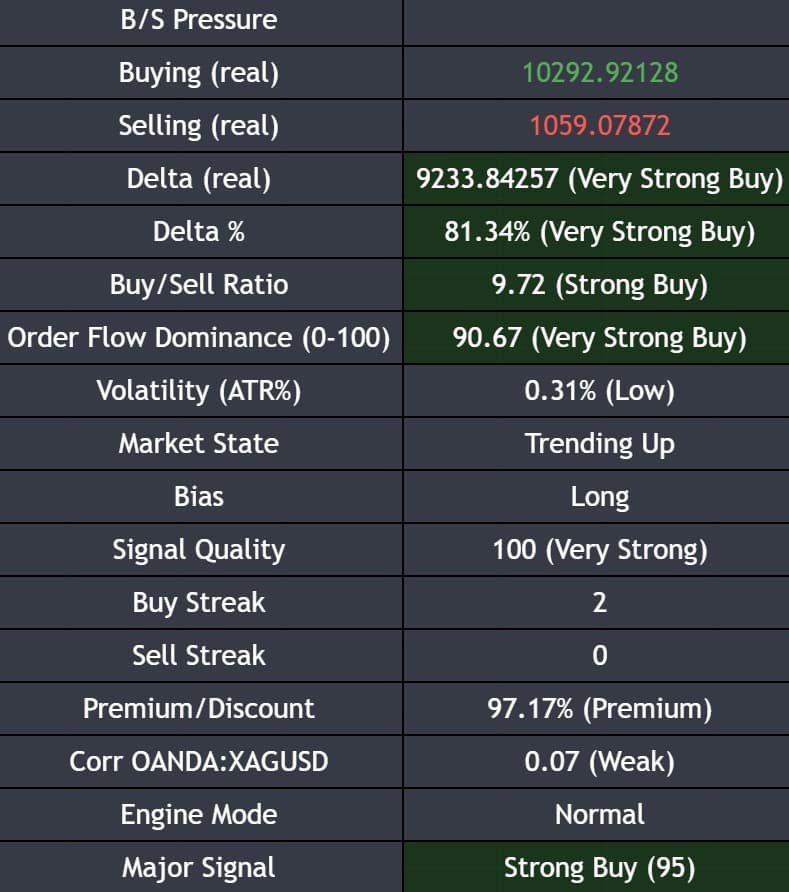
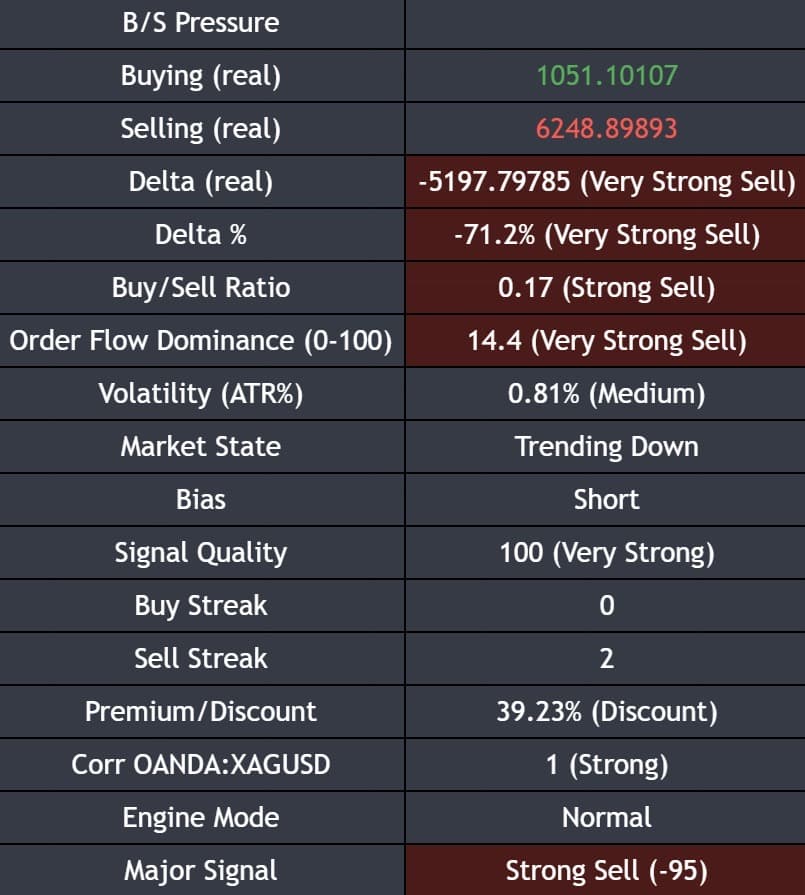
Panel Information
Panel Information condenses order flow, pressure, and structural context into a readable layer that helps traders validate setups before they commit.
Best for
Traders who value confirmation, filtering, and trade selection quality.


Workflow Steps
01
Major Flow Trading starts by reading liquidity pools and directional intent across the intraday and higher-timeframe structure stack.
02
Breaks of structure and character shifts are identified to frame the current regime before any signal reaches the trader.
03
Pressure imbalance, volatility context, and execution-grade confirmations are combined into a single confluence read.
04
Signals are only surfaced after confirmation criteria are met, which keeps the workflow focused on real-time decision support.
05
The final output packages context and levels together so the trader can execute with clarity instead of interpretation drift.
Join Major Flow Trading and move from watching signal theory to using the full workflow inside your own execution process.
Join Major Flow Trading ↗